
Two quotes for the same house may differ widely, and the reason is usually plain. One contractor priced vinyl inserts with basic glass. The other priced a full-frame job with gas-filled low-e glass. Neither said so, and now you’re guessing which number to trust.
This guide explains how residential window replacement gets priced along the Wasatch Front. It also shows you how to read window replacement estimates line by line and where Utah homes usually land. By the end, you’ll know what to ask before you sign and which charges deserve a second look.
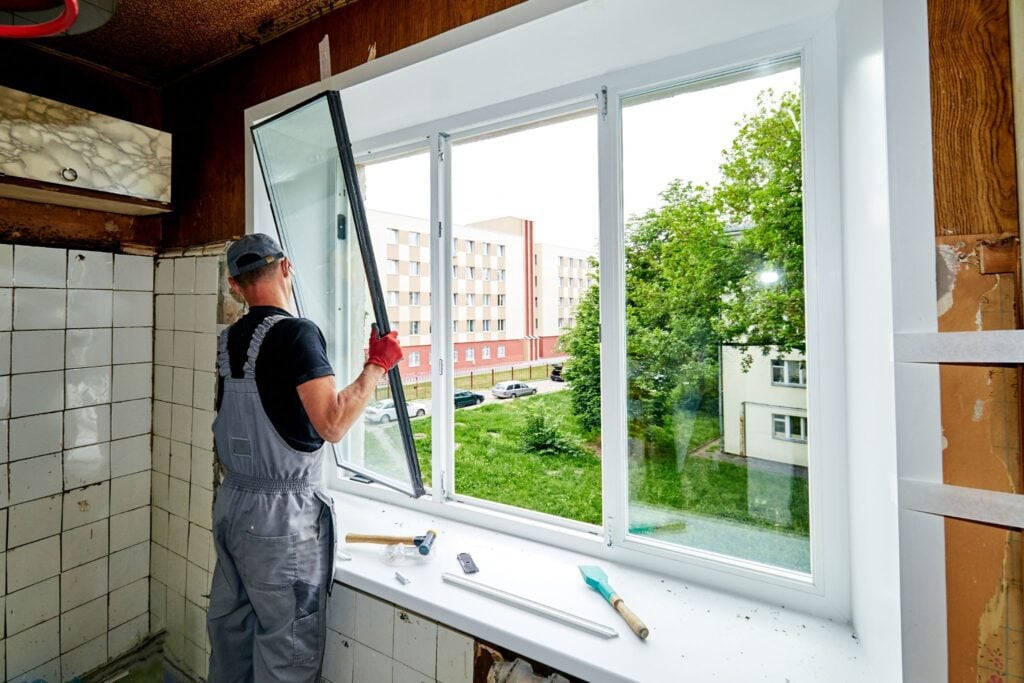
How much does a window replacement cost?
Four things determine what you pay: frame material, glass, size, and install type. Let’s take a closer look.
- Frame material: Vinyl costs the least, followed by wood and fiberglass, but wood adds upkeep on top of the price.
- Glass: Double-pane with a low-e coating is the baseline now. Gas fills and triple-pane glass each add to the bill.
- Size: A big picture window costs more to build and more to set, and it takes more hands on installation day.
- Install type: An insert drops into your existing frame. A full-frame job pulls out the old frame and trim, so it costs more.
So, how much does a window replacement cost? It depends on those four things, and every contractor weighs them a little differently.
How to get estimates that compare
Residential window replacement gets easier once every bid describes the same product. Window replacement estimates only line up when the specs match.
- List every window by room. Note the rough size and whether it opens. That list becomes the backbone of every quote.
- Pick the glass package first. Ask each contractor to quote it.
- Decide insert or full-frame. A good installer checks the frame on the first visit.
- Ask for an itemized quote. Windows, labor, trim, disposal, and permits should each show up as a line.
- Compare the price per window. A bigger job can look expensive and still cost less per opening.
What this looks like on Utah homes
- A 1990s tract home on the bench with vinyl sliders is usually a clean insert job. Standard sizes and square openings give you the best shot at a low price per window.
- A mountain home at elevation with big south-facing glass sits at the other end. Large units, gas-filled low-e glass, and heavier installs push the price per window up.
An older brick rambler here in Utah County falls somewhere in between. Original frames are often out of square, and that adds prep. The number on the quote tracks the house as much as the window.
Why it’s worth doing right
Most people expect lower energy bills from new windows. The bigger change is how the house feels day to day. Rooms stop swinging between hot and cold. The window by the couch stops leaking air. The frames stop collecting moisture. Here’s what a well-done job looks like once it’s in.
- Your heating and cooling work less, and rooms hold their temperature.
- Sashes open easily, latches catch, and the seals close tight.
- The cold draft by the glass goes away, and so does the fog on the panes.
- Water stays out of the wall, where it does the most damage.
Mistakes that cost homeowners money
- Comparing window replacement estimates by total instead of by price per window on matching specs.
- Taking the lowest bid without asking what it includes: Disposal, trim, and permits vary.
- Skipping the labels: Look for ENERGY STAR first, then read the NFRC label for the numbers.
- Accepting a price over the phone before anyone measures.
- Replacing one window at a time and giving up multi-window pricing.
What the numbers say
- ENERGY STAR reports that certified windows lower household energy bills by up to 13% nationwide when replacing single-pane windows.
What to have in hand before the estimate
- A tape measure and a window-by-window list
- Photos of any water stains, rot, or fogged glass
- The ENERGY STAR and NFRC labels on any window you’re pricing
- Your glass preference, even if it’s only a hunch
- A rough sense of whether you want to replace everything now or phase it
Frequently asked questions about window replacement costs
Q: How much does a window replacement cost in Utah?
Online estimates put Utah at $480 to $1,250 per installed window, with most homeowners paying $650 to $950. Frame, glass, size, and install type move the number. Written window replacement estimates on matching specs show the real spread for your home.
Q: Is a full-frame replacement worth the extra cost?
It earns its price when the old frame is rotted, water-damaged, or out of square. Otherwise, an insert does the job for less. A good installer checks the frame on the first visit and tells you which one your home needs.
Q: Are there rebates for energy-efficient windows in Utah?
The federal 25C credit expired at the end of 2025. Check Rocky Mountain Power’s Wattsmart and Enbridge Gas’s ThermWise programs for current offers, and confirm eligibility and terms before you buy, since program details change and not every window qualifies.
Q: Does replacing several windows at once cost less?
Often, yes. Many Utah contractors discount multi-window jobs, and setup time spreads across more openings. Ask each contractor how pricing changes at your window count, and get the breakpoints in writing so you can compare bids fairly.
Q: What should an itemized window quote include?
A good quote lists the windows, the glass package, labor, trim, disposal of the old units, and any permits as separate lines. It should also spell out the warranty. If a line is missing, ask whether it’s included or billed later.
Q: How do I know if my windows need replacing or repair?
Fogged glass between the panes means the seal has failed. Rot in the frame, windows that won’t open or lock, and drafts you can feel at the glass point toward replacement. A cracked pane or worn weatherstripping is often a repair. A contractor can tell you on a first visit.
How Utah changes the math
Utah asks a lot of a window. Summer sun hits hard, especially on west-facing glass, and winter nights run cold, so seals work in both directions. The Department of Energy recommends gas-filled low-e glass for colder climates and coatings that reduce heat gain for warmer climates. Utah has both in a single year, so the glass package is worth pricing carefully, and up here, that’s where a good installer earns their keep.
Older neighborhoods bring their own wrinkle. Original frames aren’t always square, and a frame that’s out of square pushes some residential window replacement jobs toward full-frame. That changes the quote, so ask about it on the first visit.
Get a quote from JDI Windows
Window pricing makes sense once you know what moves it, and quotes will differ for reasons you can now spot. Frame, glass, size, and installation type account for most of the gap between bids. The rest comes down to what each contractor included and how clearly they wrote it down.
Start with a tape measure and a room-by-room list. Ask each contractor for an itemized quote on matching specs, then compare the price per window rather than the total. If a number still looks off, ask what’s behind it. A good contractor can walk you through every line.
When you’re ready to see your numbers, contact JDI Windows for an estimate on your home.