
Window seal failure happens when the seal in a multi-pane window breaks down, allowing moisture and outside air to enter between the glass panes. In Utah, window seal failure often leads to foggy glass, lower energy efficiency, and reduced comfort, which may require repair or residential window replacement depending on the window’s condition.
A cloudy window may not seem like a major problem at first, but it often points to a deeper issue. When window seals start to fail, your home may lose insulation, comfort, and efficiency without any obvious damage to the frame.
In this guide, you’ll learn what window seal failure means, how to spot the warning signs, what causes it, and what steps to take next. If you suspect your window seal is broken, acting early can often help you avoid bigger problems later.
What is window seal failure?
Window seal failure happens when the sealed space between panes of insulated glass stops doing its job. Most modern windows use double-pane or triple-pane glass with a sealed airspace between the layers. That seal helps keep outside air and moisture out while trapping insulating gas inside.
Once that seal weakens or breaks, the window loses part of its insulating power. Moisture may enter between the panes, gas may escape, and the glass may start to look foggy or streaked.
In many cases, window glass seal failure develops slowly. Homeowners might notice a little haze at first, then more obvious condensation or reduced comfort near the window.
This matters because the seal is a major part of the window’s performance. If your window seal is broken, the entire insulated glass unit becomes less effective. That does not always mean the whole window must come out right away, but it does mean the issue deserves attention.

How to tell if a window seal is failing
1. Look for fog or condensation between panes
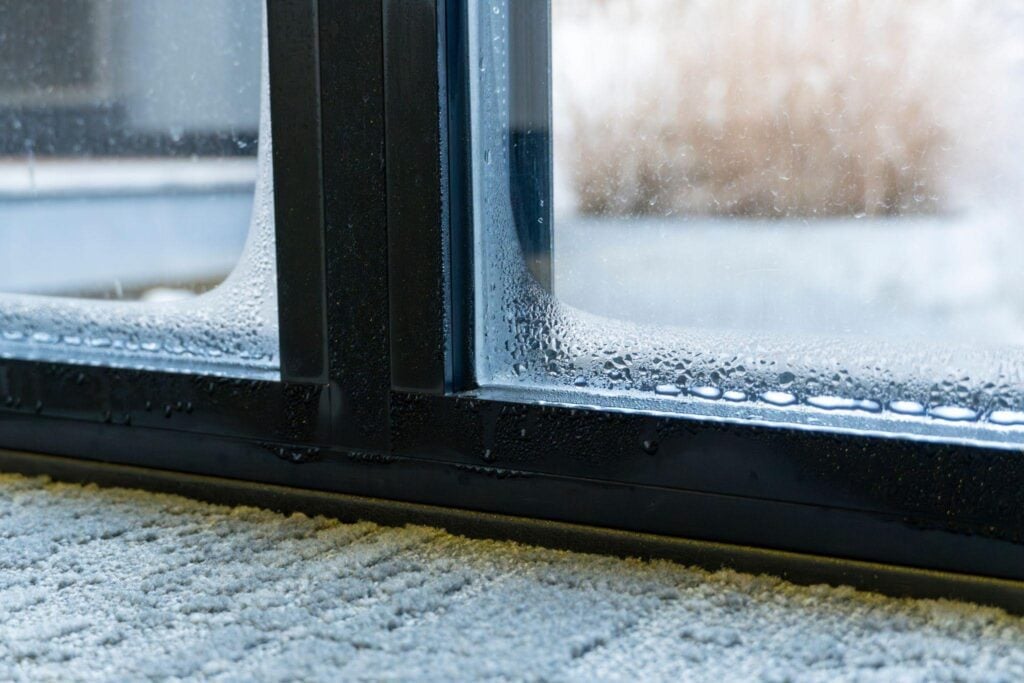
One of the clearest signs of window seal failure is moisture trapped inside the glass unit. If you clean both sides of the window and the haze persists, the problem may be between the panes.
2. Check for a cloudy or milky appearance
Window glass seal failure often creates a dull, dirty look that will not wipe away. The glass may look permanently smudged even after cleaning.
3. Notice room temperature changes
If one room feels hotter in summer or colder in winter than the rest of the home, the affected window may no longer insulate well.
4. Watch for rising energy costs
A single failed window might not cause a major spike, but multiple failing windows may force your HVAC system to work harder.
5. Inspect the surrounding window area
If your window seal is broken, you may also notice worn caulking, frame stress, or other signs of aging around the unit.
6. Schedule a professional inspection
If you are unsure whether the issue is surface condensation or true window seal failure, a window professional should inspect it before you decide on repair or residential window replacement.
Why window seal failure matters
Window seal failure affects more than appearance. It influences the way your home performs every day.
- Reduces insulation and energy efficiency
- Allows moisture between panes
- Creates foggy or unattractive glass
- Makes rooms feel drafty or uneven in temperature
- Increases strain on heating and cooling systems
- May lead to earlier residential window replacement if ignored
- Signals that the insulated glass unit no longer performs as intended
For homeowners in Utah, this matters even more because local weather conditions constantly stress windows. Hot summers, freezing winters, and rapid temperature swings put materials under constant pressure year-round.
Common mistakes to avoid
Ignoring early warning signs
A little fogging often becomes a more serious problem. Early action gives you more options.
Assuming every foggy window needs full replacement
Sometimes, the issue affects only the glass unit. In other cases, full residential window replacement makes more sense. An inspection will help you know what your window needs.
Confusing indoor humidity with seal failure
Condensation on the inside surface of the glass often comes from indoor moisture, not a broken seal. Condensation between panes points more strongly to failure.
Waiting too long to check the warranty
Some manufacturers cover window glass seal failure for a certain period. Review the warranty details before paying out of pocket for repairs.
Choosing a cosmetic fix only
Temporary defogging services may improve the look for a while, but they do not always restore full insulation value.
Data and research insights
Here are a few useful takeaways for homeowners:
- Double-pane windows depend on an airtight seal for insulation performance.
- Window seal failure often becomes more common as windows age.
- Strong UV exposure and temperature swings may increase seal stress.
- Window glass seal failure often appears first as haze, then moisture buildup.
Tools and recommendations
If you think you have a failing window seal, start with the basics:
- A flashlight to inspect haze or trapped moisture
- A clean cloth to confirm the problem is not surface dirt
- A notebook or phone to track which windows show signs of window seal failure
- Manufacturer paperwork or warranty records
- A professional window inspection
- Guidance on repair versus residential window replacement
The right solution depends on the window’s age, the condition of the frame, and the unit’s overall performance. If your window seal is broken in several places across the home, replacement may offer better long-term value.
FAQ
Q: What are the first signs of window seal failure?
The first signs usually include fog, haze, or moisture between the panes of glass. You may also notice rooms feeling less comfortable near the window. If the cloudy look persists after cleaning both sides, window seal failure is likely the cause.
Q: What causes window glass seal failure?
Age, sun exposure, weather changes, poor installation, and manufacturing defects all play a role. In Utah, repeated heating and cooling cycles place extra stress on insulated glass units, which may cause seals to weaken over time.
Q: If my window seal is broken, do I need a whole new window?
Not always. Some windows only need glass replacement if the frame remains in good shape. In other cases, residential window replacement makes more sense, especially if the frame, seals, and overall performance have all started to decline.
Q: Can a broken window seal be repaired?
In some situations, professionals replace the insulated glass unit rather than the full window. That restores clarity and performance when the frame still has life left. The best option depends on the extent of the damage and the window’s age.
Window seal failure in Utah homes
Utah homes put windows through a lot of things. Dry heat, intense sun, freezing temperatures, and wide seasonal swings all create stress that wears down materials over time.
Along the Wasatch Front, homeowners often deal with both strong summer solar gain and winter cold in the same year. That makes window seal failure more than a cosmetic issue. It becomes a comfort, efficiency, and long-term performance issue that deserves quick attention.
Call JDI Windows
Window seal failure may start with a little fogging, but it often points to a bigger problem inside the glass unit. If your window seal is broken, early inspection helps you decide whether repair or residential window replacement makes the most sense.
If you need help determining the next step, reach out to JDI Windows for expert guidance on high-performance window solutions designed for Utah homes.